October 8, 2026
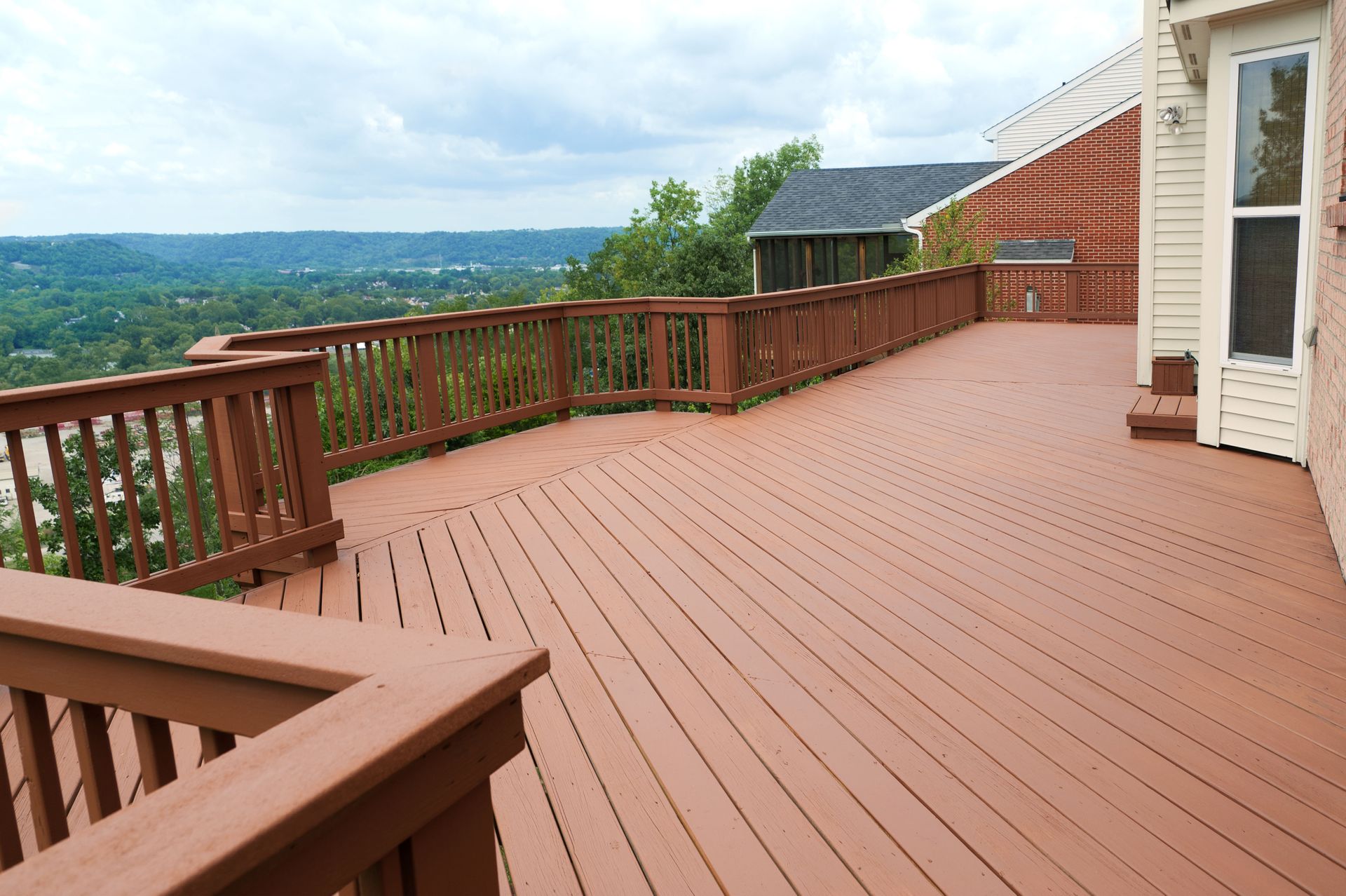
A well-designed deck can make a backyard more useful for relaxing, entertaining, dining, and spending time with family. The right layout should feel connected to the home while also fitting the size, grade, and character of the property. Professional deck builders can evaluate these factors and help homeowners plan an outdoor living area that combines function, appearance, and long-term durability. A carefully planned deck can also help define how different areas of the backyard are used, creating a more intentional relationship between the home, landscaping, and surrounding outdoor features.
Budget planning is also an important part of any remodeling project. According to This Old House, homeowners should reserve approximately 15% to 20% of their total remodeling budget for unexpected expenses. Leaving room for unforeseen conditions can make it easier to handle changes without disrupting the entire project. With thoughtful planning, material selection, and professional construction, a new deck can become a natural extension of the home.
Creating a More Functional Outdoor Living Area
Expanding Everyday Living Space
A deck creates an outdoor area that can serve many of the same purposes as an interior room. Homeowners may use it for morning coffee, family meals, casual gatherings, or quiet evenings outside. Extending usable living space beyond the walls of the home can make the entire property feel more accommodating. It can also give household members another comfortable place to gather when weather conditions make spending time outdoors appealing.
Improving Outdoor Entertaining
Entertaining becomes easier when there is a defined area for seating, tables, and movement. Deck builders can plan the dimensions around how homeowners expect to use the space, helping create enough room for guests without overwhelming the yard.
Connecting Indoor and Outdoor Areas
A carefully positioned deck can create a smoother transition from kitchens, living rooms, or other frequently used interior spaces. This connection can make outdoor areas feel more accessible and encourage homeowners to use them more often.
Supporting Multiple Activities
Larger decks can include distinct areas for dining, conversation, grilling, or relaxation. Planning these zones before construction begins can make the finished space more organized and useful for different household routines.
Creating a Design That Fits the Property
Matching the Home's Architecture
A deck should look like it belongs with the home rather than appearing added as an afterthought. Railing styles, colors, materials, proportions, and other details can be selected to complement existing architecture and exterior finishes. Considering these visual relationships early can help the completed structure feel like a deliberate part of the property's overall design.
Working With the Yard Layout
Slopes, landscaping, property boundaries, and existing outdoor features can influence deck placement. Experienced deck builders can account for these conditions when determining the size, orientation, and overall configuration of the structure.
Planning Around Views
The position of seating and railings can influence how homeowners experience the surrounding property. A thoughtful layout can take advantage of attractive views while also considering privacy from neighboring homes or nearby streets.
Balancing Deck and Yard Space
A deck should provide useful square footage without consuming more of the yard than necessary. Maintaining enough open space for landscaping, recreation, or other outdoor features can create a more balanced overall property design.
Creating a Material Plan for Long-Term Use
Comparing Wood Options
Wood provides a classic appearance and can complement many architectural styles. Different species vary in color, grain, maintenance requirements, and durability, so material selection should reflect both design preferences and expectations for ongoing care.
Comparing Composite Options
Composite decking can offer a different balance of appearance and maintenance. Professional deck builders can explain how available materials respond to weather, regular use, and cleaning so homeowners can compare options based on more than appearance alone.
Comparing Railing Materials
Railings influence both safety and design. Wood, metal, composite, and other railing systems can create very different looks. The selected material should coordinate with the decking while meeting the needs of the overall structure.
Comparing Finish and Color Options
Decking color can affect how the new space relates to siding, roofing, trim, and landscaping. Reviewing samples alongside existing exterior materials can help homeowners select a finish that creates a more cohesive appearance. Thinking about how those colors may look throughout changing seasons can also support a selection that continues to complement the property over time.
Creating a Structure Built Around Site Conditions
Evaluating Ground Conditions
Deck construction begins with understanding the site beneath the finished surface. Soil characteristics, drainage, grade, and other conditions can influence foundation planning and structural requirements. Professional evaluation helps establish an appropriate approach for the property.
Evaluating Elevation
The height of the home's entry point can affect stairs, railings, support systems, and overall deck configuration. Deck builders can account for these measurements while planning how the structure will connect safely and comfortably with the home.
Evaluating Drainage
Water should move appropriately around the home and deck structure. Site planning can consider existing drainage patterns and nearby landscaping so the new construction does not unnecessarily interfere with how water moves across the property.
Evaluating Access
Construction access can affect how materials and equipment reach the site. Narrow side yards, fences, landscaping, or neighboring structures may influence project logistics, making early site evaluation an important part of planning.
Creating Greater Comfort and Convenience
Adding Built-In Seating
Built-in benches can provide additional seating while helping define the perimeter or individual zones of the deck. They can be especially useful when homeowners regularly entertain or want to reduce the amount of movable furniture required.
Adding Lighting Features
Lighting can extend the usefulness of an outdoor space into the evening. Deck builders can coordinate lighting locations with stairs, railings, pathways, and seating areas to improve visibility while supporting the intended atmosphere.
Adding Shade Features
Depending on the property, pergolas or other shade structures can make portions of the deck more comfortable during sunny conditions. Planning these features along with the main structure can help create a more integrated final design.
Adding Convenient Access Points
Stairs and pathways can connect the deck with lawns, gardens, pools, or other areas of the property. Their placement should support natural movement so homeowners and guests can transition easily between different outdoor spaces. Convenient connections can also make the deck feel more integrated with the entire backyard instead of functioning as an isolated feature.
Creating Greater Long-Term Property Value
Improving Curb and Backyard Appeal
Although decks are often located behind a home, their appearance can still influence how the property is perceived. A professionally planned structure can make the outdoor area look more finished and give the backyard a clearer purpose.
Improving Everyday Enjoyment
Home improvements deliver value partly through daily use. Working with deck builders can help homeowners create a space tailored to their routines, whether that means outdoor meals, entertaining, reading, or simply enjoying fresh air.
Improving Renovation Planning
Deck construction may be part of a larger exterior renovation involving doors, siding, landscaping, or other improvements. Coordinating these projects can help create a more consistent finished appearance and reduce conflicts between separate phases of work.
Improving Long-Term Flexibility
A thoughtfully sized deck can continue serving the household as needs change. Furniture arrangements, gathering sizes, and outdoor activities may evolve over time, so a flexible layout can help the space remain useful for years.
A professionally designed deck can transform an underused yard into a more comfortable, functional, and attractive extension of the home. Layout, site conditions, materials, structural planning, comfort features, and long-term use all influence the success of the project. Homeowners considering a new outdoor living area can contact Three Wooden Crosses Construction & Renovations today to discuss their goals with experienced deck builders and begin planning a deck designed around their property and lifestyle.