November 5, 2026
Embarking on a comprehensive home renovation is one of the most significant investments a property owner can undertake. When the vision extends beyond a solitary powder room or a standalone kitchen update, the scope of work multiplies rapidly into a complex web of structural, logistical, and aesthetic decisions. Modern living demands cohesive design, modern efficiency, and layouts that accommodate flexible lifestyles.
Many homeowners start with the intention of tackling one room at a time, only to realize that piecemeal upgrades often lead to stylistic disconnects, repeated disruptions, and ballooning budgets. According to the 2026 U.S. Houzz & Home Study, 29% of renovating homeowners upgraded three or more interior rooms in 2025, while 24% renovated two rooms. These figures demonstrate that over half of active renovators seek multi-room transformations rather than isolated touch-ups. Navigating structural alterations, permitting jurisdictions, material lead times, and specialized trades requires professional oversight. Skilled remodeling contractors serve as the indispensable navigators of this transformative journey, turning multifaceted spatial aspirations into unified, functional living environments that elevate daily life and long-term home value.
Unifying Architectural Vision and Design Continuity
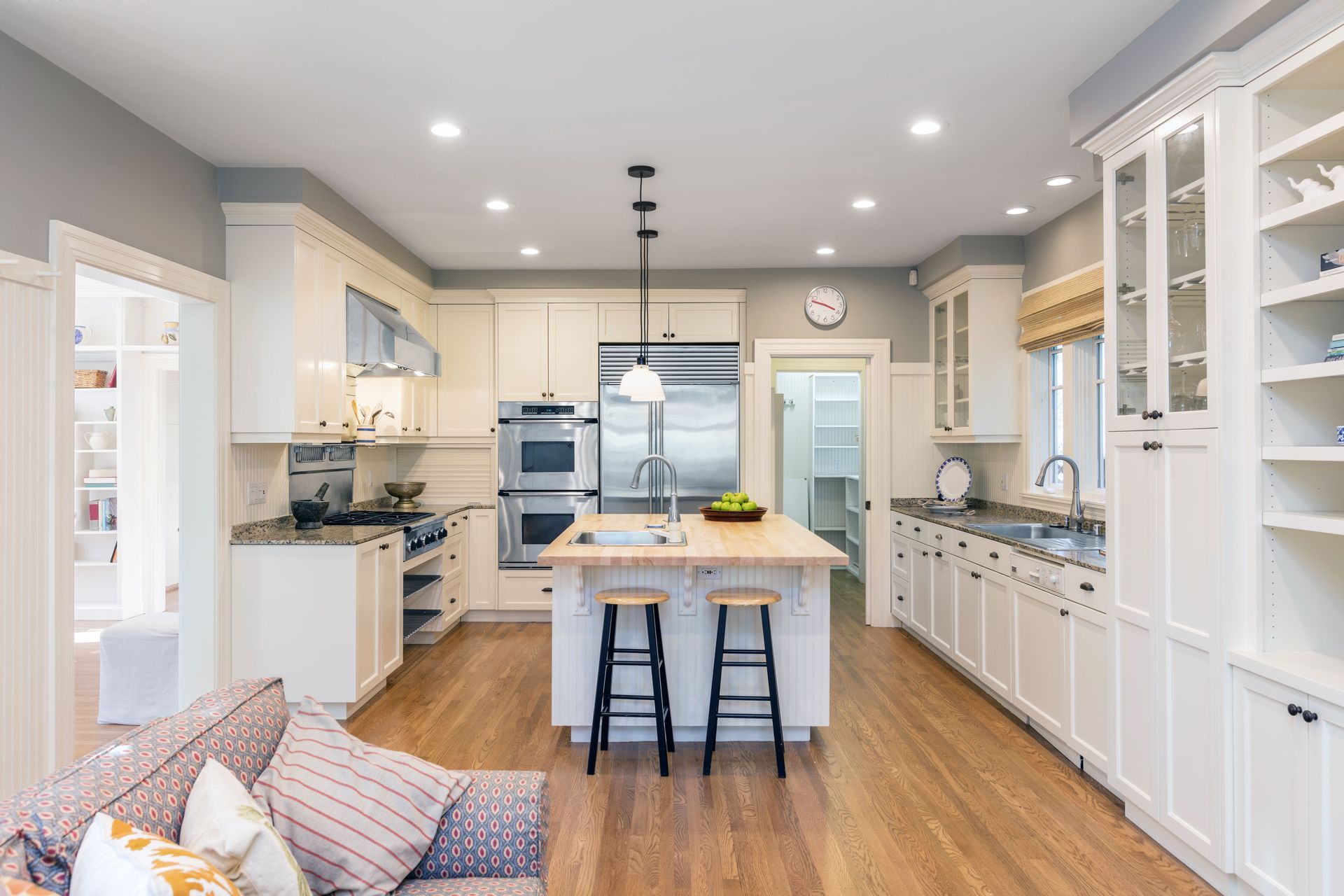
A common pitfall of renovating rooms in isolation across different years is the accidental creation of an architectural patchwork. A modern farmhouse kitchen can clash uncomfortably with a transitional formal dining room, or a newly tiled bathroom can make adjacent bedrooms appear dated and neglected. Experienced remodeling contractors collaborate closely with architects, interior designers, and homeowners to develop an overarching design language that flows naturally from room to room. They carefully align flooring selections, trim profiles, door hardware, paint palettes, and lighting temperatures across every upgraded space. This careful curation ensures that the architectural transitions feel deliberate, organic, and harmonious, providing a seamless visual journey as one moves throughout the residence.
Beyond selecting complementary surface materials, achieving true visual continuity across multiple spaces requires a shared structural rhythm and proportional balance. When updating contiguous zones, remodeling contractors evaluate sightlines and ceiling transitions, ensuring that architectural details such as casing profiles, baseboard heights, and doorway openings carry identical visual weight throughout the floor plan.
This structural harmony extends to millwork and built-in cabinetry, where matching reveal depths, consistent panel styles, and coordinated hardware finishes bridge functional zones without monotony. By treating adjacent living areas, hallways, and private suites as interconnected components of a single aesthetic ecosystem, remodeling contractors prevent the abrupt spatial shifts that often characterize piecemeal updates, instilling an intuitive, restful sense of architectural unity across the entire home.
Mastering Complex Project Coordination and Trade Scheduling
Simultaneously modernizing an open-concept living area, a primary suite, and a gourmet kitchen demands exceptional operational precision. Each area requires a diverse array of licensed trades, including master plumbers, rough-in electricians, HVAC specialists, carpenters, and tile artisans. Without centralized leadership, trades inevitably stumble over one another, leading to costly idle time, trade damage, and miscommunications.
Seasoned remodeling contractors manage these intricate schedules with sophisticated project management systems, ordering rough-in work in a logical sequence that optimizes productivity. By maintaining a steady and organized flow of specialized labor across several rooms at once, they compress the active build phase and minimize the frustrating standstills that frequently derail unmanaged residential projects.
Critical path management becomes especially decisive when mechanical, electrical, and plumbing infrastructures interconnect behind shared walls and subfloors. A primary bathroom upgrade, for example, often shares supply risers, vent stacks, or electrical circuits with an adjacent laundry room or a kitchen situated directly beneath it. Remodeling contractors map out these hidden structural dependencies long before demolition begins, timing rough-in inspections so that trades work in tight coordination rather than backtracking to open previously closed walls. By synchronizing rough inspections across multiple zones simultaneously, contractors keep municipal building officials on a predictable schedule, prevent costly rework between sub-trades, and maintain steady forward momentum across every phase of the multi-room overhaul.
Maximizing Value Through Strategic Sourcing and Procurement
Undertaking multi-room construction unlocks significant financial and logistical efficiencies that are unavailable during single-space projects. Professional remodeling contractors maintain established supply-chain networks and trade accounts with major distributors of lumber, engineered hardwood, stone slabs, architectural fixtures, and cabinetry. When sourcing materials for multiple bathrooms, a kitchen, and a living area in a single purchase order, contractors leverage bulk pricing and bundled freight delivery.
Furthermore, having a single entity manage procurement protects homeowners from supply chain vulnerabilities. Contractors track shipments, inspect deliveries for freight damage, safely warehouse items, and coordinate on-site arrivals precisely when trades are ready for installation, mitigating job site clutter and avoiding preventable delays.
Consolidating orders across several living areas also enables remodeling contractors to optimize material utilization and dramatically reduce job site waste. When custom stone slabs are specified for kitchen countertops, leftover remnants can be repurposed as matching vanity tops, shower curbs, or fireplace hearths in adjoining rooms rather than discarded.
Similarly, ordering broad runs of hardwood flooring or designer tile across multiple spaces ensures that dye lots, wood grains, and surface finishes match flawlessly, eliminating the awkward tonal variations that occur when materials are bought months or years apart. Remodeling contractors leverage these unified material runs to negotiate favorable terms with regional trade suppliers, passing cost efficiencies directly to the homeowner while ensuring that every room benefits from consistent, high-grade finishes.
Navigating Permits, Structural Integrity, and Code Compliance
Tackling multiple rooms frequently involves altering the home's foundational layout, such as knocking down partition walls to integrate the dining and living spaces or relocating plumbing stacks. These substantial modifications require an in-depth understanding of local municipal building codes, historical district ordinances, and safety mandates.
Reputable remodeling contractors act as the primary liaison with local municipal building departments. They prepare detailed construction drawings, acquire structural engineering stamps, pull all mandatory structural, electrical, and plumbing permits, and schedule each mandatory municipal inspection. This rigorous regulatory adherence safeguards the home's structural integrity, guarantees family safety, and prevents title encumbrances during future resale transactions.
Minimizing Household Disruption and Operational Friction
Living through a home renovation can test any household's patience, especially when key functional zones like kitchens, laundry facilities, and primary bathrooms are offline concurrently. Dedicated remodeling contractors implement rigorous job site management protocols designed to safeguard the non-renovated portions of the residence. They erect heavy-duty plastic containment walls equipped with zip-doors, place commercial-grade floor protection, operate negative-air HEPA scrubbers to trap airborne dust, and establish designated staging areas.
Furthermore, forward-thinking contractors build temporary staging solutions, such as setting up functional temporary kitchenettes or maintaining one operating washroom while other areas undergo heavy demolition. Clear communication, predictable daily work hours, and routine updates ensure that homeowners retain their peace of mind throughout construction.
Delivering Lasting Value and Comprehensive Warranty Protection
The true worth of a comprehensive multi-room renovation lies not only in the immediate visual reveal but also in the enduring durability of the craftsmanship. Qualified remodeling contractors stand behind their work with comprehensive labor and craftsmanship warranties, providing a unified layer of accountability that single-trade handymen cannot match. Homeowners gain a single, reliable point of contact for routine punch-list walkthroughs, post-completion touch-ups, and long-term service.
Furthermore, professionally executed multi-room upgrades generate superior returns on investment. A home that features cohesive, contemporary finishes throughout commands premium appraisal values and attracts serious buyers far more effectively than a property with disjointed, piecemeal updates.
Upgrading multiple rooms simultaneously is a visionary undertaking that transforms a house into a functional, beautifully balanced sanctuary tailored to modern living. The undertaking represents a major commitment of financial resources and emotional energy, making the guidance of professional remodeling contractors essential to the project's ultimate success. To get started with help from the experts, reach out to Three Wooden Crosses Construction & Renovations today.